
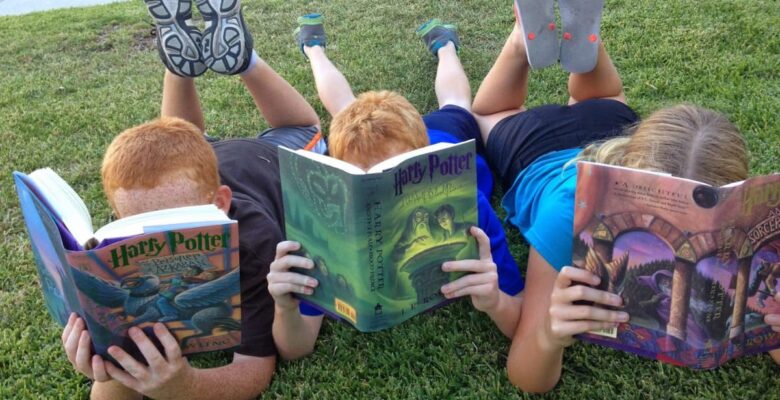
Reading is a powerful tool capable of enriching children’s imagination which simultaneously encourages the development of cognitive, emotional, and linguistic skills.
That’s why fostering a love of reading from a young age can make such a big difference in your child’s growth and development.
This article contains affiliate links. We earn from qualifying purchases.
What Are the Benefits of Reading in Childhood?
Encouraging reading from childhood can bring many benefits to your child. Below, we will review the most relevant ones:
- Language development: Children who read are exposed to more words than average. This allows them to improve their ability to express themselves and understand what they read.
- Imagination: Books can “transport” children to new worlds, helping them develop their imagination, creative thinking, and improving their problem-solving skills.
- Improvements in cognitive skills: Practicing reading regularly strengthens memory. This helps children have greater concentration and better analytical capacity.
- Strengthening the family bond: Shared reading can be used as an emotional activity to reinforce the bond between parents and children.
- Better school performance: Children who read regularly tend to perform better in school. They particularly excel in reading comprehension, writing, and mathematics.
- Emotional development and empathy: By knowing stories, situations, and characters, children learn to understand different emotions and to have empathy.
- Autonomy and decision-making: Through reading, children can improve their ability to reflect and make decisions based on the experience gained.
- Stress reduction: Reading can be practiced to be a fun activity that facilitates the management of emotions and helps reduce anxiety levels.
Strategies to Encourage Children to Read at Home
If you’re looking for fun and effective formulas to awaken a passion for books in your child, you can try these effective strategies:
- Prepare a Reading Corner
A separate and comfortable spot that inspires reading can make it more attractive for your child. You can decorate the corner of a room with pillows, blankets, and shelves full of books. A cozy reading corner invites anyone to get carried away by stories without distractions!
- Read out Loud and With Emotion
Expressive storytelling can bring life and emotion to stories. From changing the intonation of your voice to imitating certain sounds or making dramatic pauses, everything can attract a child’s attention and make reading more interesting.
- Choose Interesting and Appropriate Books
It is important to choose books that are appropriate for your child’s age and that spark curiosity. If you know that your little one has a special interest in dinosaurs, for example, find stories that revolve around them!
- Take Advantage of Technology
Audiobooks, e-books, and educational apps can be a great way to complement traditional reading and make books more accessible wherever you are.
Since many of these resources are used online, it’s also worth being mindful of privacy and security when children are using connected devices. This might include learning how different privacy tools work, such as whether a VPN hides your location and what information it can actually protect.

- Make Reading a Habit
Introducing reading into daily life, for example before the end of the day or after eating a snack, will make the activity both habitual and enjoyable.
- Visit Libraries and Bookstores
Going to libraries and bookstores with your children can help stimulate their interest in books. Let them explore, wander around, flip through pages, and pick the books that catch their attention.
- Lead by Example
Children learn by observing adults. If they see their parents dedicating at least part of the day to reading, they are more likely to follow the same habit.
- Connect Reading to Play
After reading a story, you and your child could do some activities together related to the reading. You could try drawing the characters, acting out some scenes, or making a craft.
- Read Interactive Books
Pop-up books, textured books, or books with flaps can make reading an interesting experience for little ones. You can also explore interactive titles online to find stories that encourage children to engage with reading in new and playful ways.
- Encourage Creativity
Encourage your little ones’ creativity through story-related requests. For example, tell them their version or act out their favorite scene. This will help strengthen their love of literature.
By following these strategies, you’ll have the opportunity to make reading a fun and enriching activity for your little ones and create the foundation for a life that’s based on the love of books!
For more on reading and making learning fun for your children, read:
- How to Keep Up With Your Kids’ Education When Traveling as a Family
- When a Family Adventure Starts Looking Like a Home Base
- 10 Fun Experiential Learning Activities For Families to Do While On Vacation
- 6 Hands-On Summer Learning Ideas
- Smile Zemi Review: The Learning Tablet That’s Turning Math into Magic for Kids

Leave a Reply