
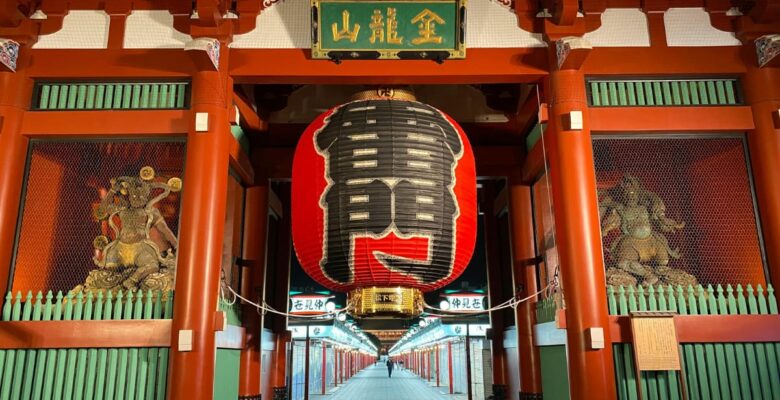
Japan has a reputation as a place for serious food lovers and culture seekers, and it is both of those things. What surprises many parents is how easy and rewarding it is with children. The trains run on time, the streets are clean, the convenience stores are a small miracle, and there is something for every age, from deer that bow in Nara to robot shows and giant arcades in Tokyo.
That said, a first family trip to Japan still benefits from some planning. Distances are bigger than they look on a map, cities are busy, and a few local customs are worth teaching the kids before you land. Here is what we have learned from our own trips and from friends who have taken children of every age.
This article contains affiliate links. We earn from qualifying purchases.
When to go and how long to stay
Spring and autumn are the most comfortable seasons for families. The weather is mild, which matters a lot when small legs are doing a lot of walking. Cherry blossom season in late March and early April is beautiful but very crowded, and hotel prices climb. Late October and November bring autumn leaves, cooler days and fewer queues.
Summer is hot and humid, and the rainy season usually arrives in June in much of the country. It is still doable, especially if you plan indoor afternoons, but it is harder on younger children. Winter is great for snow trips to Hokkaido or the Japanese Alps and quieter in the cities.
For a first visit, ten days to two weeks gives you time to see two or three areas without rushing. The official Japan National Tourism Organization site is a useful place to check seasonal events and public holidays before you pick dates, since Golden Week in early May and the Obon period in mid-August are some of the busiest travel times of the year.

Building an itinerary children can actually enjoy
The classic first route is Tokyo, then Kyoto, with day trips to Nara and Osaka. It works well for families because the bullet train links these cities quickly and comfortably. The key is to change hotels as rarely as possible. Packing up and moving every two days wears children out fast. Two bases, one in Tokyo and one in Kyoto or Osaka, is usually enough.
We found that one big activity per day, plus something small and flexible, kept everyone happy. In Tokyo that might be a morning at a museum or theme park followed by a relaxed evening wandering a neighborhood. In Kyoto, an early visit to a famous shrine before the crowds arrive, then a slow afternoon by the river. Nara’s deer park is a highlight for almost every child, just keep an eye on little ones when the deer crackers come out, because the deer can get pushy.
Build in playground time as well. Japanese city parks often have excellent play areas, and an hour of running around does more for a tired seven year old than another temple ever will.
Getting around: trains, IC cards and strollers
Public transport is the easiest way to get around Japan’s cities. Rechargeable IC cards such as Suica and PASMO work on most trains, subways and buses, and in many shops too, so you do not need to buy a paper ticket for every ride. On most Japanese railways, children aged six to eleven pay a child fare, and younger children usually ride free with a paying adult. Check the rules for each operator, as details vary.
Rush hour in Tokyo is best avoided with kids, especially with a stroller. Aim to travel after about 9:30 in the morning and before the evening commute. Most major stations have elevators, but finding them can take a few minutes, so allow extra time. A light, foldable stroller is far easier than a heavy one on crowded platforms and narrow streets.
If you plan to use the bullet train with large suitcases, be aware that some Shinkansen lines require a reservation for seats with an oversized luggage area. Many families send their big bags ahead between hotels using a luggage forwarding service, which is widely available and lets you travel with just day packs.
Staying connected as a family
A working phone makes Japan much easier with children. You will use it constantly for train routes, restaurant searches, translation apps and checking whether a museum has a baby room. Free public Wi-Fi exists but can be patchy, and you do not want to be searching for a signal on a platform with a hungry toddler.
Most families we know now skip the airport SIM counter and set up one of the Japan travel eSIM plans before they leave home. The eSIM downloads to your phone in a few minutes, connects when you land, and many plans allow hotspotting, so one parent’s phone can share data with the other or with a tablet for the kids. Check that your phone is unlocked and eSIM compatible before you buy, and install it on your home Wi-Fi so you are online the moment you step off the plane.
Travel eSIMs are usually data only, so make sure the whole family has WhatsApp, iMessage or a similar app set up for calls and messages. It is also worth downloading offline maps of your hotel areas and saving your accommodation address in Japanese, which is easy to show a taxi driver.
Food, convenience stores and picky eaters
Parents often worry about food, but Japan is kind to picky eaters. Before you take the trip, you can try Japanese snacks at home beforehand or make this easy Yakisoba recipe together.
Plain rice, noodles, fried chicken, gyoza, fruit and simple sandwiches are everywhere. Convenience stores, known locally as konbini, sell rice balls, yogurt, sliced fruit and snacks at all hours, and they are a lifesaver for early mornings and late arrivals.
Many family restaurants and department store food halls have kids’ menus and high chairs. Conveyor belt sushi restaurants are a hit with most children, who love choosing plates as they pass by. Street food vendors are safe and an easy option to eat when you are out and about. Tap water is safe to drink, so carry a refillable bottle for everyone.
If your child has a food allergy, carry a card written in Japanese that explains it clearly. Staff are generally very helpful, but ingredient labels can be hard to read without help.
Small customs that make a big difference
A little preparation helps children feel confident rather than confused. Here are some key customs that may be new to your family:
- Explain that people take their shoes off in homes, some restaurants and many temples, so slip-on shoes save time.
- Talk about keeping voices low on trains, where phone calls and loud chatter are frowned upon.
- Public trash bins are surprisingly rare, so carry a small bag for rubbish and empty it at the hotel.
- Cash is still used more than in many countries, especially at small shops and shrines, although cards and IC cards are widely accepted in cities. Find more tips on how to pay for things overseas.
- Department stores and larger shopping centers often have excellent baby rooms with changing tables, nursing areas and hot water for formula, which is worth knowing when you are out for the day.
Ready for your first family trip
Japan rewards families who plan a little and then slow down once they arrive. Keep the itinerary simple, sort out transport and phone data before you fly, and leave room for the unexpected: the ramen shop you stumble into, the park you did not plan to visit, the train ride that becomes the kids’ favorite memory. Chances are they will be asking when you are going back before you have even landed home.
Ready to Start Planning Your Trip? Use These Helpful Links to Book Your Trip!
- AIRFARE
- Find low fares with Skyscanner and in the Hopper App.
- Book your Airport Parking Reservations and save money.
- ROAD TRIP/CAR RENTAL
- Get a rental car thru Discovercars.com.
- Take the scenic route and rent an RV from RVShare
- LODGING
- Find the perfect accommodation with Hotels.com or booking.com.
- For camping and RV campgrounds, find the ideal location with Campspot.
- PACKING
- I like to travel in style with a suitcase, carry-on, backpack, or handbag from Away or Quince.
- For packing cubes, we love these from Pack-It Organization Bags from Eagle Creek and these reusable silicon bags for a 3-1-1 bag from Stasher.
- TRAVEL PLANNING
- Looking to start travel hacking and want a place to keep track of it all? There’s the free TravelFreely site.
- For budgeting help, get our road trip budgeting tips here.
- CELLULAR/DATA SERVICE
- For low cost eSims, I choose Airalo that offers local and regional options at low rates. Use the code NEWTOAIRALO15 to offer New Customers an additional 15% discount on Airalo eSIMs. Read my recent Airalo eSIM review here.
- ATTRACTIONS/ACTIVITIES
- Save on tickets to attractions, sightseeing tours, and more with
- Tiqets for cultural events, museums, Broadway shows, etc.
- CityPASS for multi-day attraction passes at up to 55% off in select cities
- Get Your Guide and Viator for guided tours/excursions, day trips, and activitties
- Groupon for discounted local attractions and event tickets
- Undercover Tourister for discounted theme park tickets
- Find guided outdoor activities led by local guides at 57Hours.
- Find information on local trails with the AllTrails App.
- Save on tickets to attractions, sightseeing tours, and more with
- LEARN A FOREIGN LANGUAGE
- We use and recommend Rosetta Stone to learn a new language. I am currently improving my Dutch conversation skills.
- Need something else to plan your perfect trip? Visit my travel resources page for more trusted partners.
Plan Your Trip With Me
I’m not just a travel writer, I’m also a licensed travel advisor recognized as a USA Today 10Best Family Travel Expert. I’ve spent 15+ years covering family travel firsthand, and I bring that experience to the trips I help plan for readers like you. From family getaways to solo adventures, I can help you find the right destination, book with confidence, and skip the hours of research.

Leave a Reply