
Making sure your family has clean drinking water during trips is a non-negotiable part of travel planning. Even crystal-clear lakes and official camp taps can hide unseen risks that could disrupt your adventure. Picking the right approach is especially important for kids and anyone with a sensitive stomach who may be more vulnerable to waterborne illness.
Family trips, whether to the backcountry or a busy campground, require careful preparation for safe drinking water. Knowing which solutions will work best for your group, given the location and duration, ensures everyone stays healthy and able to enjoy the outdoors. Preventing waterborne issues means you can concentrate on making memories, rather than worrying about illness. For example, before using campground taps for cooking or drinking, always check for posted advisories or ask a ranger if the water is currently safe.
This article contains affiliate links. We earn from qualifying purchases.
Evaluating water sources and campsite conditions
Every destination offers a unique set of water options and hazards. Some campgrounds feature treated water at communal spigots, but quality and reliability can change without notice. One family, expecting easy access, discovered only upon arrival that a boil advisory was in effect, requiring all water to be boiled for three minutes before drinking.
Remote or dispersed camping means becoming self-sufficient, often bringing your own water or treating natural sources. Equipment like hand pumps and basic taps might not be regularly checked or maintained, adding to potential risks. For families planning multi-day adventures with children, packing efficient treatment systems that suit the available sources and the group’s needs is essential. As an example, a group backpacking along mountain streams must be prepared for both seasonal changes in water quality and the absence of tested, centralized sources.
Understanding filtration and purification methods for family use
Families need to choose between filtering, purifying, or a combination of methods depending on where they travel. Filtering physically removes particulates and many organisms, while purification (using chemicals, boiling, or UV light) deals with smaller pathogens like viruses. It’s a common misconception that visibly clear water is always safe, some microbes evade basic filters and are invisible to the naked eye. For example, camping near agricultural runoff may introduce chemicals or viruses that require purification rather than filtration alone.
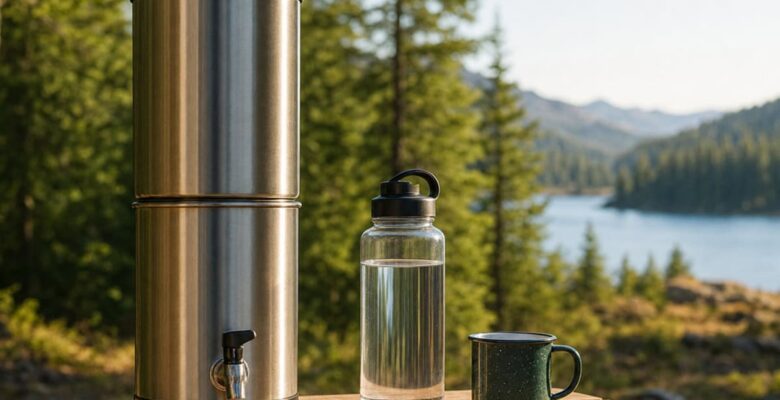
When setting up at a campsite for multiple days, a gravity-fed system simplifies treating larger batches of water. A Berkey water filter is a reliable example of such a gravity system, offering efficient filtration for group needs like filling bottles or preparing meals. These setups often integrate well with backup options such as boiling, to create a layered defense against a broad range of contaminants.
Recognizing hazards and setting safe water habits
Water that looks clean can still contain harmful microorganisms, including bacteria, viruses, or protozoa like Giardia. During a family fishing trip to a remote lake, for instance, runoff from an active beaver dam created extra risk for those drawing drinking water nearby. Families should always be aware that contamination can happen where animals, weather, or upstream human activity affect water quality.
Dehydration can occur if kids or adults avoid drinking water that tastes odd or looks cloudy. Cross-contamination is also a common issue, refilling water bottles or using shared taps with dirty hands can spread germs. Practical strategies include regularly washing hands, keeping “clean” and “dirty” bottles separate, and avoiding direct contact between unwashed bottle mouths and drinking water containers. These habits significantly lower the risk of illness while camping.
Choosing and maintaining the best setup for your family trip
The ideal water solution depends on the family’s group size, length of stay, and typical camp routines. Gravity systems offer hands-off filtration to meet high use around basecamp, letting adults focus on other tasks. Families camping overnight at a remote site may appreciate gravity systems for their capacity and minimal effort, while quick day hikes might only require lightweight squeeze or pump filters for easy bottle refills on the trail.
Proper setup and ongoing hygiene are crucial for staying healthy. Gravity reservoirs should be hung away from foot traffic, with clear separation of dirty and clean water containers. Assigning one adult to handle setup, cleaning, and monitoring can prevent mistakes, especially where younger kids might confuse which side is safe for filling bottles. Including soap for regular handwashing, a backup treatment method, and checking all equipment before each trip helps ensure that your family’s water remains safe throughout the adventure.


Leave a Reply