
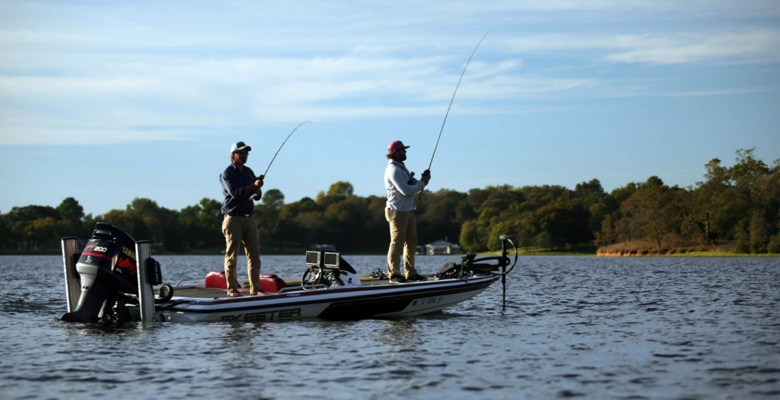
A successful family boating trip requires thoughtful preparation, reliable safety equipment, and enough electrical power for essential onboard devices.
Before leaving the dock, families should check weather conditions, organize supplies, estimate battery consumption, and protect engine-starting capacity. Choosing suitable marine batteries and understanding their limitations can prevent unexpected interruptions. This practical guide explains how to plan a comfortable, enjoyable day on the lake without overlooking important safety and power requirements.
This article contains affiliate links. We earn from qualifying purchases.
Start With a Practical Family Boating Plan
A good boating plan considers weather, travel distance, passenger comfort, and available facilities. Making these decisions beforehand helps families avoid unnecessary complications.
Check Weather and Lake Conditions
Review the local marine forecast before departure, paying particular attention to wind speeds, thunderstorms, visibility, and changing temperatures.
Consider these factors when planning your route:
- Expected wind speeds and sudden gusts.
- Thunderstorm warnings and visibility.
- Safe launching areas and docking facilities.
- Local boating restrictions and speed limits.
- Alternative routes if conditions deteriorate.
Choose shorter routes when traveling with young children or inexperienced passengers. Avoid departing when dangerous weather is forecast, and identify suitable places to return or seek shelter.
Plan Activities Around Everyone’s Needs
Family activities should match passengers’ ages, interests, and comfort levels. Fishing, wildlife watching, photography, and swimming can provide entertainment without requiring an overly ambitious schedule.
For swimming, choose suitable locations away from boat traffic. Always stop the engine when people are in the water near the boat, and designate a responsible adult to supervise children.
If you are kayaking with children, also find locations away from heavy boat traffic and fast poweroats.
Allow additional time for meals, rest breaks, and returning before darkness.

Pack Essential Boating Gear for Safety and Comfort
The right family boating essentials should address emergency preparedness and everyday convenience. Keeping equipment organized also ensures important items remain accessible.
Prioritize Approved Safety Equipment
Every passenger should have a properly sized, serviceable, U.S. Coast Guard-approved life jacket. Wearing life jackets while underway is strongly recommended, particularly for children and inexperienced swimmers.
Important safety equipment includes:
- Properly fitted life jackets for every passenger.
- A throwable flotation device when required.
- A functioning horn or approved sound-signaling device.
- Required navigation lights and visual distress signals.
- Suitable, serviceable fire extinguishers where required.
- A first-aid kit and reliable communication equipment.
- An anchor, appropriate rope, and water-removal equipment.
Under U.S. federal rules, recreational boats 16 feet and longer generally require a throwable flotation device, with exceptions such as canoes and kayaks.
Equipment requirements vary depending on vessel size, propulsion type, operating waters, and state regulations. The U.S. Coast Guard’s official recreational boating regulations outline applicable federal safety requirements, including life jackets, navigation lights, fire extinguishers, and other essential equipment.
Organize Comfort, Seating, and Storage
Pack sufficient drinking water, snacks, sunscreen, hats, towels, and weather-appropriate clothing. Waterproof bags protect personal electronics, while insulated coolers help organize refreshments. See our beach camping checklist that has a lot of overlap on what you need and common things many beachgoers forget
Arrange seating within the boat’s passenger and weight limits. Secure loose equipment before accelerating and avoid blocking walkways or access to emergency supplies.
Keep frequently used items within reach without creating unnecessary clutter.
Understand Your Boat’s Electrical Requirements
Reliable onboard electricity begins with identifying which devices need power and how long they will operate. Estimating consumption helps boat owners choose suitable battery capacity.
Separate Essential and Optional Electrical Loads
Essential electrical equipment may include navigation displays, communication devices, navigation lights, and electric bilge pumps.
Optional loads include trolling motors, portable speakers, USB chargers, and small refrigerators. However, equipment priorities depend on the vessel and operating conditions.
For example, navigation lights become essential during darkness or restricted visibility, while an automatic bilge pump may operate unexpectedly.
Calculate Battery Consumption for a Day Trip
Electrical consumption can be estimated using a straightforward formula:
Amp-hours (Ah) = Current draw (A) × Operating hours (h)
A device drawing 3 amps for four hours consumes approximately 12Ah.
The following hypothetical example assumes a 12V electrical system during a six-hour family outing.
| Equipment | Priority | Voltage | Current | Hours | Energy used |
| GPS/display | Essential | 12V | 1.5A | 5 | 7.5Ah |
| Marine radio | Essential | 12V | 1A | 4 | 4Ah |
| Bilge pump | Essential | 12V | 3A | 0.5 | 1.5Ah |
| Navigation lights | Essential | 12V | 1A | 1 | 1Ah |
| Trolling motor | Optional | 12V | 20A | 3 | 60Ah |
| USB charging | Optional | 12V | 2A | 2 | 4Ah |
| Total | 78Ah |
Note: These are illustrative estimates, not verified device specifications. Actual power consumption depends on equipment models, operating conditions, and usage patterns.
The example requires 14Ah for essential equipment and 64Ah for optional accessories.
Adding a 25% planning allowance:
78Ah × 1.25 = 97.5Ah
This suggests approximately 98Ah of usable capacity, assuming no charging occurs during the trip.
However, this allowance does not guarantee sufficient emergency reserves. Actual battery requirements depend on discharge limits, temperature, battery condition, and unexpected operating demands.
A nominal 100Ah battery may not deliver 100Ah of practically usable capacity under every condition. Check manufacturer specifications before choosing a battery.
Choose a Suitable Marine Battery for Your Boat
Marine battery selection should consider electrical demand, intended application, usable capacity, weight, and charging compatibility.
Understand Starting and Deep-Cycle Batteries
Starting batteries deliver high current over short periods to start an engine.
Deep-cycle batteries are designed for sustained electrical use, making them suitable for trolling motors and onboard accessories.
A deep-cycle battery should not be used for engine starting unless its manufacturer specifically approves that application.
Some boats use separate starting and auxiliary batteries to protect engine-starting capacity from recreational electrical loads.
Compare Lithium and Lead-Acid Battery Options
A lithium deep cycle marine battery may be suitable for boats regularly powering trolling motors, navigation equipment, or accessories throughout the day.
Lithium iron phosphate (LiFePO4) batteries can offer reduced weight and greater usable capacity than certain traditional lead-acid alternatives. However, specifications vary between products.
Here is a comparison of Lithium and Lead-Acid Battery Options:
| Specification | Typical LiFePO4 (12V, 100Ah | Typical AGM (12V, 100Ah) |
| Nominal voltage | 12V | 12V |
| Rated capacity | 100Ah | 100Ah |
| Battery weight | Approximately 31 lb (14.1 kg) | Approximately 70 lb (32 kg) |
| Illustrative usable capacity | Up to 100Ah | Approximately 50Ah at 50% discharge |
Lithium models commonly specify a full usable depth of discharge. The AGM example assumes a conservative 50% discharge limit for planning and battery longevity, not an absolute manufacturer-imposed maximum.
These figures are representative rather than specifications for specific products. Actual usable energy depends on discharge rates, temperature, battery condition, and operating limitations.
Check Charging and Installation Compatibility
Before purchasing a marine battery, verify:
- Correct system voltage and usable capacity.
- Compatible chargers and charging profiles.
- Appropriate battery management system protection.
- Alternator compatibility and charging-current limits.
- Suitable cables, overcurrent protection, and mounting space.
- Manufacturer-specified operating and charging temperatures.
LiFePO4 installations may require additional charging controls, particularly when connected to engine alternators. Some batteries also restrict charging at low temperatures.
Follow the manufacturer’s installation instructions rather than assuming a lithium battery can directly replace every lead-acid model.
Manage Battery Power During the Lake Trip
Good battery management involves monitoring consumption and preserving electricity for essential systems.
Monitor Electrical Consumption
Check battery status periodically, particularly after extended trolling motor use. A compatible battery monitor can provide more useful capacity estimates than voltage readings alone.
Reduce unnecessary electrical loads when remaining capacity becomes limited. Charging personal devices before departure and limiting entertainment equipment can conserve power.
Protect Engine-Starting Capacity
Where separate starting and auxiliary batteries are installed, confirm that accessory loads cannot unintentionally drain the starting battery.
If the boat uses a shared battery, maintain an appropriate starting reserve and ensure the battery is rated for both functions.
If consumption exceeds expectations, reduce optional activities and return earlier rather than relying on the remaining battery capacity.
Follow a Pre-Departure Family Boating Checklist
A final inspection helps identify equipment problems before they become emergencies.
Before leaving the dock:
- Review marine weather, lake restrictions, and return conditions.
- Check properly fitted life jackets for every passenger.
- Inspect required throwable flotation devices and emergency signals.
- Check applicable fire extinguishers, navigation lights, and sound signals.
- Test communication equipment and inspect the first-aid kit.
- Verify fuel levels, engine operation, steering, and visible leaks.
- Confirm battery charge and sufficient usable capacity for the outing.
- Preserve starting power and inspect battery connections.
- Test the bilge pump and confirm the drain plug is installed where applicable.
- Secure belongings, explain emergency procedures, and share a float plan with someone ashore.
Leave trip information with a responsible person before departure. A float plan should include the vessel’s description, planned route, passengers, and expected return time.
Check applicable state boating requirements before departure, as local regulations may exceed federal minimum standards.
Conclusion
A successful family boating trip depends on preparation, suitable safety equipment, and dependable electrical power. Estimating battery consumption, choosing compatible equipment, and preserving engine-starting capacity can reduce avoidable interruptions.
With supplies organized and essential checks completed, families can spend more time enjoying the lake and less time dealing with preventable problems. Need help planning where to go next See these summer lake trip ideas and start planning your next trip.

Leave a Reply