
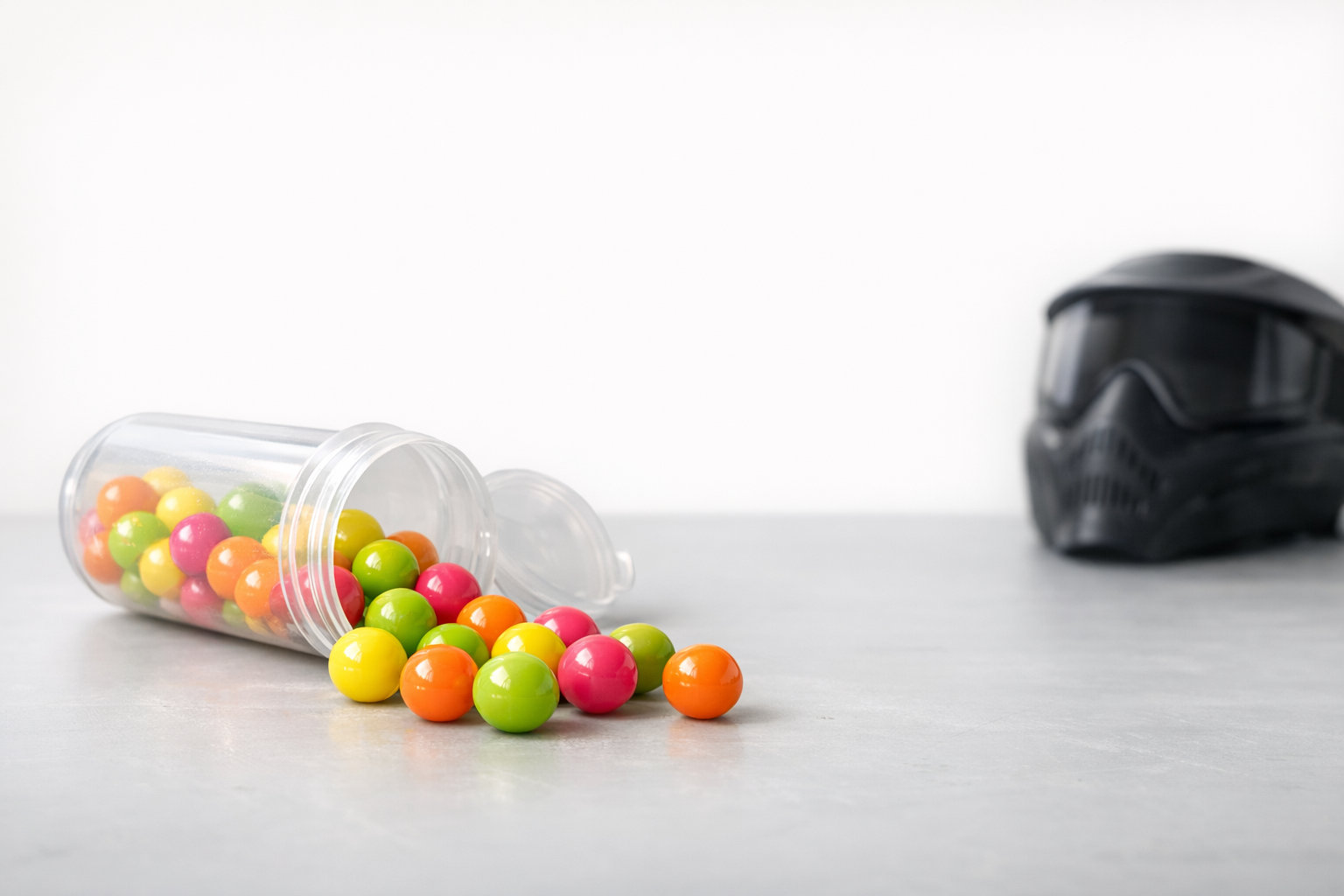
Planning a family paintball day means considering your child’s readiness for the excitement, energy, and teamwork required on the field. Parents need clear guidance on when children are truly ready, and which paintballs are safest and best-suited for kids. This article offers practical advice for evaluating your child’s paintball readiness and selecting the right paintballs to ensure a safe and enjoyable experience, especially when choosing kid-friendly paintballs.
Paintball can be a memorable way for families to get outdoors and enjoy a shared adventure, and family paintball works best when expectations and rules are clear from the start. Before booking a trip, it’s important to assess both your child’s maturity and the specific ammunition you’ll be using, including whether low-impact paintballs are available at your local field. For many parents, choosing reputable options like Maddog Sports paintballs builds confidence that the outing will be safe without sacrificing fun. Understanding safety features and preparing with the right equipment are keys to making your first family paintball day a success.
This article contains affiliate links. We earn from qualifying purchases.
Assessing when your child is ready for paintball
Deciding if your child is ready for paintball starts with age and temperament, and family paintball is often easier for kids when the pace is supportive rather than overly competitive. Most paintball fields recommend a minimum age of eight to ten, but maturity matters just as much as a number. If your child enjoys active group play, can listen to instructions, and is comfortable with minor bumps and noise, they may be ready for their first paintball experience.
Talk with your child about what to expect during a match, from wearing a mask to handling a marker safely. Walk them through safety guidelines and establish that it’s okay to take breaks or skip rounds if they feel nervous. Observing your child’s response to these discussions gives you insight into whether paintball is a good fit at this time, and kids also tend to do better when kid-friendly paintballs are used.
Physical stamina is another important factor to consider when determining paintball readiness. A typical paintball session can last several hours and involves running, crouching, and carrying equipment across varied terrain. Evaluate whether your child has the endurance for this level of activity and can maintain focus throughout multiple rounds. Consider starting with shorter sessions or half-day events to gauge their interest and energy levels. Some facilities offer trial games or beginner sessions specifically designed for younger players, and these often pair well with .50 caliber paintballs for a lighter, more manageable feel.
How to choose the best paintballs for kids
Selecting kid-friendly paintballs is essential to ensuring a safe and positive first outing. Look for options with softer, more brittle shells that break easily on impact, such as low-impact paintballs or .50 caliber paintballs. These cause less sting and are easier for children to manage.
Before visiting a facility, confirm which types of paintballs are allowed and recommended for younger players. Brands like Maddog Sports paintballs offer paintballs designed for children and family games. Making sure your paintballs are fresh, properly stored, and compatible with the facility’s markers will help provide a comfortable and enjoyable introduction to the sport for your child, and many families prefer low-impact paintballs to reduce discomfort.
Preparing for your first family paintball day
Good preparation can make all the difference in how your child experiences their first paintball outing. Most family-friendly fields have rules about the type and amount of paintballs each player can use, so check these details before you go. Dressing your child in layers, ensuring they have all the required safety gear, and packing snacks and water can help keep them focused and comfortable, especially when you plan ahead for .50 caliber paintballs if the venue supports them.
Involve your child in planning, let them help inspect paintballs for quality, ask about game formats, or participate in choosing appropriate equipment. Discuss the structure of the day and address any concerns they might have about gameplay, rules, or safety. With thoughtful planning and a focus on low-impact paintballs or family-specific paintballs, your child is more likely to have a safe, exciting, and positive first paintball experience.


Leave a Reply