
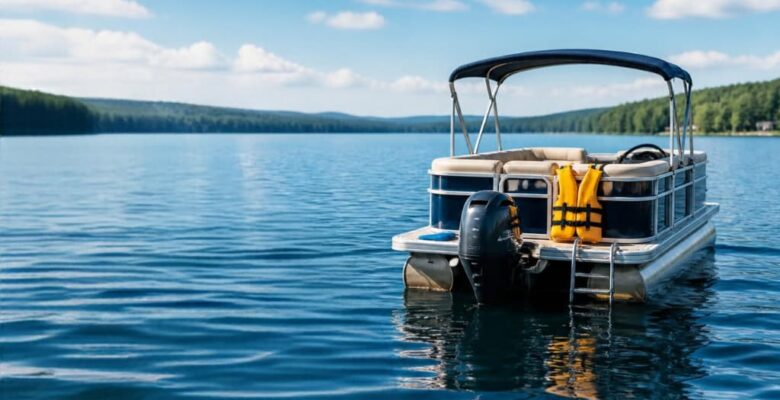
Boating may appear to be a harmless activity, but it still poses some danger, which turns an otherwise beautiful cruising day into a tragic chapter in a person’s life just like that. The 2024 Recreational Boating Statistics from the US Coast Guard show that 87% of all drowning incidents involved boaters who either did not wear life jackets or drowned in situations where they were not wearing them. In the unfortunate scenario that an accident has occurred, following certain guidelines could help guarantee one’s safety and secure justice against the liable individuals.
A boating accident isn’t the same as having a car crash. It does not involve a police department with automatic jurisdiction. No crash report form is recognized on sight by every adjuster. In plenty of states, the agency that takes the report is a wildlife commission rather than a police force. This aspect of the process surprises people, and they have to deal with an unfamiliar procedure.
This article contains affiliate links. We earn from qualifying purchases.
People who suffer from a boating accident may need the assistance of a legal professional. One such person is boating accident lawyer W. Douglas Easton, who has represented thousands of people in personal injury claims who have suffered from different types of injuries in all sorts of accidents. These cases arose from the negligence or wrongdoing of other individuals, businesses, or governmental entities. Retaining an experienced attorney helps in understanding the operation of the existing laws, assessing the accident details, collecting supporting information, and figuring out what remedies can arise and be initiated.
The First Hour Is Medical Before It Is Legal
The initial actions that follow a boating accident are almost always the same. An operator is required to stop the vessel where stopping is safe, render whatever assistance is practicable to anyone affected, and give their name, address, and vessel identification to anyone injured or whose property was damaged. Emergency medical help comes first in practice since a delayed treatment on open water turns a manageable injury into a serious one faster than it does on a roadside.
Reporting the incident only comes after these actions are done. In Nevada, as one example, an operator who fails to stop and check risks criminal exposure on top of whatever civil liability follows.
Reporting Rules Are Stranger Than People Expect
Florida works well as an example of how specific these rules get. Under Florida Statute § 327.301, reports go to the Florida Fish and Wildlife Conservation Commission rather than to local police, and the FWC runs a phone line at 888-404-3922 to take them.
The deadline then forks, and this is the part people get backwards. Death, disappearance, or injury requiring medical treatment beyond first aid means 48 hours. Property damage of $2,000 or more, or the total loss of a vessel, gets 10 days. The reporting duty itself is triggered by death, injury, or disappearance that indicates death or injury. Damage to a vessel or other property of at least $2,000, or the total loss of any vessel, triggers the reporting duty.
Misclassifying the accident carries consequences in either direction. For a property-damage-only accident, treating the reporting process as a 48-hour emergency may lead to incomplete or unverified information being submitted. When an accident involves an injury, however, a 10-day reporting deadline can create a different concern because the deadline may arrive before the injured person has even attended a first follow-up medical appointment.
Determining which category an accident falls into should be resolved on the same day, not left until the following week.
The Criminal Track Runs Alongside the Civil One
People may perceive a boating accident as an insurance problem. Often it is two problems running in parallel, since the same conduct that creates civil liability can also draw charges. The two proceedings answer different questions, each under a different standard of proof.
Florida has been the loudest example of that recently. According to its boating crimes and penalties, leaving the scene of an accident that causes injury or death and causing injury while operating under the influence are both serious offenses that entail hefty fines. This area is a different body of law entirely from the one that governs a damage claim.
Five Ways Liability Lands
Once everyone is ashore, the civil case starts behaving more like other injury claims, with a longer list of ways fault can attach.
Operators under the influence, where impairment rules apply to vessels as they apply to cars. Violations of no-wake restrictions occur when a boat creates more waves than a no-wake zone allows, swamping or injuring someone nearby. Fires aboard, which depend on whether the operator cleared hazards and carried extinguishers before casting off. Drownings, whether from a strike in the water or from flotation gear that was never on board to begin with. Simple vessel-to-vessel collisions resolve roughly the way two cars do.
Evidence Gets Harder to Hold On to Water
In case of a boating incident, the paperwork is as important as it is for a vehicular accident. Unfortunately, pieces of evidence in boating accidents tend to be harder to obtain. Valuable evidence can come from photographs of the boats, the damage they sustained, and the surrounding area before the scene changes. Obtaining contact information for all operators and passengers involved is also necessary. One should also collect data from any witnesses on nearby boats or on land who may have seen the accident.
Damages then track other serious injury claims. Medical costs, lost income, reduced future earning capacity where an injury permanently disables somebody, property losses, and pain and suffering.
One habit built before any of this happens does more work than the rest of it combined. Having a family water safety routine and a float plan left with a reliable person on land, noting the route and the expected return time, is what starts a search. The plan isn’t filed with the Coast Guard directly. It’s the person holding it who notifies the Coast Guard or another rescue agency if the boater doesn’t return on time. Skip that step, and no one may know to raise the alarm at all. The plan should go to someone who will notice if the boat is late and make the call.
What separates boating from the rest of it is not the legal theory underneath. It is the reporting structure and the physical difficulty of gathering proof on open water. The first hour looks the same wherever the accident happens. Medical attention comes first, followed by determining which agency in that state or on that waterway actually takes the report, and then gathering the details while conditions and memories still match what occurred.
Find Enjoyable Ways to Get on the Water:


Leave a Reply