
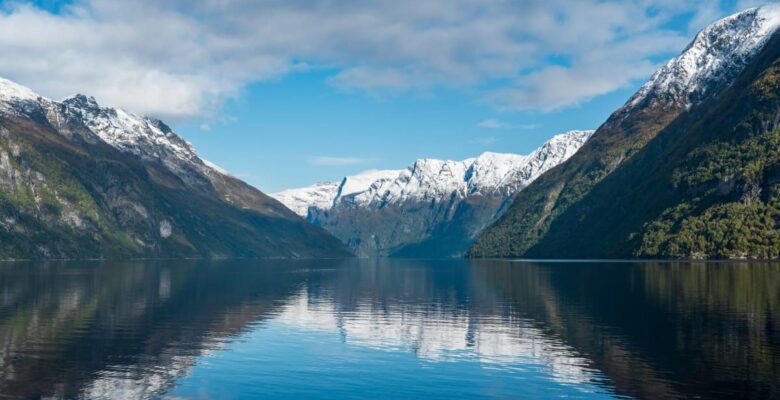
Kill the engine on a skiff out in a quiet fjord, and you catch it immediately: this weird, sizzling sound right off the surface. It’s like dumping a spoon of salt into hot grease. What you are hearing is ancient, compressed air finally cracking out of melting glacial ice into the seawater.
Most folks write off the European Arctic early on because they assume it’s all ten-story mega-ships and retired couples in matching red parkas taking turns at a coin-operatedfjo telescope. That setup is miserable. The real high latitudes don’t run like that at all. It’s gritty, wet, freezing, and entirely dictated by which way the tide pulls the slush at dawn.
This article contains affiliate links. We earn from qualifying purchases.
You Don’t Run the Schedule
The first thing you have to drop is the idea of an itinerary.
A stiff wind shifts, loose pack ice jams the mouth of a sound, and just like that, whatever plan you had for Tuesday is dead. The skipper glances at the radar, spins the wheel, and drops anchor behind a sheltered headland thirty miles in the wrong direction.
If you get wound up when things go off the rails, the Arctic will run you ragged. But if you just shrug and pour another coffee, those forced detours usually turn out to be the only parts of the trip you end up talking about years later.
Svalbard: The Obvious First Stop
For your first run up north, Svalbard makes the most sense. It’s an archipelago sitting way past the northern tip of Norway, but you can still hop on a standard SAS flight out of Oslo and land right in Longyearbyen.

Longyearbyen still feels like an old frontier mining camp. Houses sit on timber stilts because digging into frozen muck isn’t an option. Short, barrel-shaped reindeer pick around the gravel driveways like stray dogs, completely ignoring everybody.
The security rules are dead serious: you don’t walk past the perimeter signs at the edge of town without a flare gun and a loaded rifle slung over someone’s shoulder. Polar bears have the run of the place, and you are strictly visitors on the food chain.
Once you get out on the water along Spitsbergen, the scale opens up. You might spend five hours staring through grey fog at empty chop, and then suddenly round a rocky point and find an old male polar bear picking his way across a sheet of rotten sea ice.
Further north in the Hinlopen Strait, the black rock walls are deafening—packed with thousands of thick-billed murres and kittiwakes screeching over each other, while walruses pile into foul-smelling, blubbery heaps on the beach, constantly stabbing each other with their tusks just to claim a few inches of gravel.
Why the Boat Matters
There are no roads connecting towns up here, so almost everything happens by sea.
Large cruise liners simply don’t work in this part of the world. They sit too deep in the water, they can’t nose into shallow bays, they can’t work through drift ice safely, and they dump six hundred people on a beach at once, which instantly clears out any animal within three miles.
Grabbing a berth on a small-ship Arctic Circle cruise completely changes how you move. A small hull can weave through narrow leads in the ice and tuck into bays where big ships can’t even get close.
More than that, it means getting Zodiacs in the water takes five minutes instead of forty. When somebody on the bridge spots blows from a whale pod or a bear moving along the shoreline, you don’t wait in an elevator line. You pull on your muck boots, drop straight down into the rubber boat, and get right out on the water.
Northern Norway and the Outer Coast
South of Svalbard, mainland Northern Norway is a totally different landscape. Around Tromsø, Senja, and down through Lofoten, the terrain turns into razor-sharp granite walls dropping straight into deep water.
Come late autumn, the fjords fill up with herring, pulling in massive pods of orcas and humpbacks that feed right along the ferry lines. In the summer, the sun just rolls around the sky without ever dipping, turning small cod-fishing villages into 24-hour operations. It’s rugged, connected by old local ferries, and way easier to navigate than the empty islands up near the pole.
Practical Things to Know Before You Go
- Ditch the giant ski parkas: Layering is the only thing that works. You will sweat through your shirt fifteen minutes into a steep tundra hike, and then freeze your teeth off half an hour later sitting dead still in a Zodiac with freezing chop hitting your chest. Wear heavy merino wool base layers, a fleece or light down jacket, and a tough waterproof shell. Leave cotton at home.
- Sort your data before you fly: Roaming charges can add up quickly, and you’ll want reliable data in Longyearbyen for flight updates, weather checks, and bookings. Set up an eSIM before you arrive, options like Saily are often much cheaper than your carrier’s roaming rates.
- Tuck spare camera batteries into your shirt: Polar air drains lithium batteries in forty minutes flat. Keep your spares in an inside chest pocket right against your body heat until the second you need to swap them into the camera body.
- The light never shuts off: In mid-summer, there is no night. At 2 AM, the sun is glaring through your cabin window like it’s midday. Bring a thick, dark eye mask or you will completely wreck your sleep cycle.
- Stop hunting just one photo: If you spend two weeks obsessing only over getting a frame-filling shot of a polar bear, you are going to miss the foxes darting through the scree, the thunder of calving glaciers, and the sheer emptiness of the coast.
Conclusion
Traveling through the European Arctic strips away normal travel habits. There are no souvenir stands on the beaches, you won’t have phone service, and plans change as soon as a fog bank rolls in off the ice. But sitting on a rubber boat at midnight under low sunlight, watching a three-hundred-foot wall of glacial ice collapse into the sea, makes all the cold gear and rough transit completely worth the effort.
For more family travel inspiration, check out our latest posts here:
- Ever Wanted to Attend a Powwow? What I Learned at the Black Hills Powwow and the Etiquette Every Family Should Know
- Kolsai, Kaindy Lakes, and Charyn Canyon: A Two Day Tour Worth the Drive
- 8 Places to Swim with Otters in the US (Otter Swim Locations by State)
- How to Plan a Vacation on a Budget – 7 Money Saving Tips
- The Most Immersive Nature Experience We’ve Had at an All Inclusive: Sandos Caracol Nature Resort & Water Park
- 25+ Oklahoma City Attractions for Teens (Updated for 2026)

Leave a Reply